
Why Students Seem Disengaged -
and How We Can Change That
How to Motivate Students in the Classroom
Young students today are becoming increasingly disengaged in the classroom, and it’s becoming a growing concern. This is because they’re often placed in environments that don’t support engagement. In reality, motivation can be shaped by how a classroom is structured and how a teacher interacts with students. Below are five ways to keep elementary students engaged and excited about learning!

1. Using Reinforcement to Shape Behavior
Participation is one of the clearest signs of student engagement. When students are paying attention, are curious, and enjoying the learning process, they are more likely to raise their hands and contribute to discussions. This benefits not only the individual student but also pushes the entire class forward. However, getting students to participate consistently can be challenging.
One of the most effective ways to encourage participation is through simple praise. Even small comments like “that’s a great point” or “thank you for sharing” can make a difference. When teachers regularly acknowledge participation, students begin to associate speaking up with positive outcomes. Over time, this increases their willingness to contribute.
As participation is reinforced, students build confidence and become more engaged in the learning process. This creates a classroom environment where students are active, involved, and motivated to learn.
To put this into practice teachers should be intentional about reinforcing participation from the start of the school year. Begin by clearly communicating that all contributions are valued. When students share, respond with specific and genuine praise, such as “I like how you explained your thinking” or “that’s a new perspective, thank you.” It is also important to consistently acknowledge a variety of students, not just the ones who participate most frequently, to create an inclusive environment.
In addition, teachers can build participation into daily routines by asking open-ended questions, using think-pair-share activities, or giving students time to prepare their thoughts before responding. Over time, as students experience positive feedback and feel more comfortable contributing, participation will become more natural and consistent. (1, 1a, 2, 5, 5a, 7, 10c, 10d)

To apply this in the classroom, teachers should be intentional about the language they use every day. Instead of praising intelligence with comments like “you’re so smart,” focus on effort and strategies by saying things like “you worked really hard on that” or “I like the way you tried a new approach.” This helps students understand that success comes from effort, not just natural ability.
When students make mistakes teachers should respond in a way that normalizes struggle. For example, saying “this is part of learning” or “let’s figure this out together” can help students feel more comfortable continuing to try. It is also important to maintain high expectations for all students and avoid lowering standards when they struggle.
In addition, teachers can model a growth mindset by openly talking about challenges and improvement. When students consistently hear and experience these messages, they begin to adopt the belief that their abilities can grow, which increases both motivation and persistence. (2, 3, 3a, 3b, 4, 5, 5b, 10b)
2. Building a Growth Mindset
Mindset plays a huge role in student performance. If a student believes they cannot succeed they are much less likely to meet their goals. Alternatively, when students believe their abilities can grow through effort, they are more motivated and more likely to stay on track.
Teachers play a major role in shaping students’ mindsets through their language and feedback. For example, if a student is struggling with a math problem, a response like “you’re improving, keep trying” can make a big difference. This type of feedback encourages students to see mistakes as part of the learning process and makes them more likely to persist rather than give up when things get tricky.
A teacher’s beliefs can strongly influence how students approach learning and how they feel about themselves. To keep students motivated, it is important for teachers to maintain high expectations and show that they believe in their students’ ability to grow and succeed.
3. Creating Positive Emotional Associations with Learning
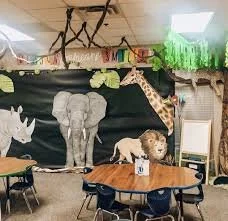
Students naturally associate emotions with their classroom experiences. When they are placed in a positive environment, they begin to connect those feelings with learning itself. This can be created through both the emotional atmosphere of the classroom and the way the space is designed.
If a teacher builds a supportive, low-pressure environment, students feel safe asking questions and participating. Over time, they begin to associate school with feelings of comfort and confidence. This reduces anxiety and makes students more willing to engage, which increases overall participation.
In addition, the physical design of a classroom plays a role. Creating a space that feels welcoming and engaging can help students feel happy, safe, and immersed in their learning. As a result, they begin to associate those positive feelings with school, which further supports motivation and engagement.
To create this type of environment, teachers should focus on both the emotional atmosphere and the physical space of the classroom. Start by building a supportive environment to ensure students feel comfortable taking risks. This can be done by responding positively to questions, avoiding embarrassment when students make mistakes, and encouraging respectful interactions among classmates.
In addition, teachers can design their classroom to feel welcoming and engaging. Simple choices like adding color, displaying student work, creating a cozy reading area, or incorporating interactive materials can make the space feel more inviting. It is also helpful to establish consistent routines so students feel a sense of stability and comfort in the classroom.
When students consistently experience a positive and supportive environment, they begin to associate those feelings with learning. Over time, this increases their willingness to participate and supports overall motivation. (5, 6, 6a, 6b, 6c, 7, 8)
4. Giving Students a Sense of Control
Students are more motivated when they are actively involved in the learning process rather than simply receiving information. When students are given opportunities to explore ideas and engage with content, they are more likely to stay focused and interested. Teachers can support this by creating learning experiences that involve choice and interaction. For example, students might choose how to demonstrate their understanding through an essay, presentation, project, etc., or they might work in groups to solve a problem and discuss their thinking.
These types of activities allow students to engage more deeply with the material by thinking through ideas and learning from others. Instead of just being told information, students are constructing their own understanding through experience and collaboration. This active involvement keeps students more engaged and helps them connect more meaningfully with what they are learning.

To apply this, teachers should design lessons that require students to actively think and participate rather than just listen. Start by incorporating activities that involve discussion and collaboration. For example, instead of immediately explaining a concept, give students a question or problem to work through first, either individually or in small groups, and then discuss their ideas as a class. By consistently using these types of activities, students become more comfortable engaging with content and with each other. Over time, they begin to expect that learning involves discussing and exploring, which naturally increases both engagement and motivation. (6c, 9, 10, 11, 11a, 12)

5. Teaching Students How to Be Successful
It is a teacher’s responsibility to help students learn how to be successful. Many students struggle not because they lack motivation, but because they don’t know how to learn effectively. This is why teachers must explicitly teach and consistently incorporate learning strategies into their instruction. For example, a teacher might model how to use practice testing or create a concept map, then give students opportunities to apply these strategies on their own.
As students begin to use these strategies and see improvement, their confidence grows. When students feel capable of succeeding, they are more likely to put in effort and stay motivated. Ultimately, motivation increases when students understand how to succeed and believe that their effort will lead to improvement.
To put this into practice, teachers should begin by explicitly introducing one strategy at a time rather than assuming students already know how to study. In my example of a concept map, a teacher would demonstrate this strategy by thinking out loud and showing each step. After modeling, students should be given guided practice where they try the strategy with support before eventually using it independently.
It is also important to consistently embed these strategies into daily lessons. Instead of teaching a strategy once and moving on, teachers should regularly incorporate it into classwork and homework so students have repeated opportunities to practice. Teachers can also encourage students to reflect on which strategies work best for them by questioning “what helped you remember this” or “what strategy did you use here.”
Over time, as students become more familiar with these strategies and begin to see improvement, they develop confidence in their ability to learn. This makes success feel more achievable and increases both motivation and effort. (9, 13, 14, 15, 16, 16a)

Final Thoughts
All of these strategies show that motivation is not something young students either have or don’t have, but something that can be shaped through the classroom environment and teaching approach. From reinforcing participation, to building a growth mindset, creating a positive environment, encouraging active learning, and teaching students how to be successful; all of these factors plays a individual role in how elementary students engage with learning. When these elements are combined teachers can create a classroom where students feel supported, and motivated to learn. Ultimately, when students feel capable and engaged, they are much more likely to put in effort and succeed.